
EveryEvent LA

Ver todos os Events

The Entertainment Capital of the World

events

Concerts & Live Music
Festivals
Sports & Recreation
Food & Drink
Arts & Culture
Community
Family & Kids
Nightlife
Comedy
Theater
Destinos populares
BaliSedonaLos AngelesCosta RicaNew YorkSan FranciscoAustinMiamiJoshua TreeTulum
Ver todas as categoriasVer todos os destinos

Explorar todos os recursos

Ferramentas poderosas para expandir seus eventos

Recursos da plataforma

Precificação dinâmica inteligente
Categorias de ingressos
Lugares marcados
Recuperação de carrinho abandonado
Recuperação de visitantes
Doações e preço variável
Sistema de afiliados
Scanner de ingressos
Códigos de desconto
Perguntas personalizadas
Compartilhamento de ingressos
Upsells e complementos
Análises e relatórios
Sequências de e-mail
Lista de espera / Notificar / Lembrar
Explorar
Discovery HubArtists & PerformersVenuesKnowledge Base
Ver todos os recursosSobre nós
PreçosBlog
Ver todos os eventos

events

Concerts & Live MusicFestivalsSports & RecreationFood & DrinkArts & CultureCommunityFamily & KidsNightlife

Destinos populares

BaliSedonaLos AngelesCosta RicaNew YorkSan Francisco

Explorar

Discovery HubArtists & PerformersVenuesKnowledge Base

Recursos da plataforma

Precificação dinâmica inteligenteCategorias de ingressosLugares marcadosRecuperação de carrinho abandonadoRecuperação de visitantesDoações e preço variávelSistema de afiliadosScanner de ingressosCódigos de descontoPerguntas personalizadasCompartilhamento de ingressosUpsells e complementosAnálises e relatóriosSequências de e-mailLista de espera / Notificar / Lembrar
Ver todos os recursosSobre nós
PreçosBlog
EntrarCadastrarOrganizadores de eventos
  • Browse All Events
  • Concerts & Live Music
  • Festivals
  • Sports & Recreation
  • Food & Drink
  • Arts & Culture
  • Community
  • Family & Kids
  • Nightlife
  • Todas as categorias →
  • San Diego
  • Palm Springs
  • Santa Barbara
  • Joshua Tree
  • Las Vegas
  • All Destinations →
  • For Promoters
  • For Artists
  • For Venues
  • For Festivals
  • For Event Spaces
  • For Nonprofits
  • For Bloggers
  • For Speakers
  • Brand Ambassador
  • Case Studies
  • Rede de 350K+ compradores
  • Recuperação de carrinho abandonado
  • Precificação dinâmica inteligente
  • Categorias de ingressos
  • Eventos recorrentes
  • Lugares marcados
  • Sistema de afiliados
  • Lista de espera / Notificar
  • Scanner de ingressos
  • Widget incorporável
  • Todos os recursos →
  • Sobre
  • The Ecosystem
  • Blog
  • Glossário
  • Inspiration
  • Central de ajuda
  • Contato
  • Documentação da API
  • Recursos da marca
  • Carreiras
  • Imprensa
  • Termos de Serviço
  • Política de Privacidade

Events

  • Browse All Events
  • Concerts & Live Music
  • Festivals
  • Sports & Recreation
  • Food & Drink
  • Arts & Culture
  • Community
  • Family & Kids
  • Nightlife
  • Todas as categorias →

Getaways

  • San Diego
  • Palm Springs
  • Santa Barbara
  • Joshua Tree
  • Las Vegas
  • All Destinations →

For Organizers

  • For Promoters
  • For Artists
  • For Venues
  • For Festivals
  • For Event Spaces
  • For Nonprofits
  • For Bloggers
  • For Speakers
  • Brand Ambassador
  • Case Studies

Recursos

  • Rede de 350K+ compradores
  • Recuperação de carrinho abandonado
  • Precificação dinâmica inteligente
  • Categorias de ingressos
  • Eventos recorrentes
  • Lugares marcados
  • Sistema de afiliados
  • Lista de espera / Notificar
  • Scanner de ingressos
  • Widget incorporável
  • Todos os recursos →

Empresa

  • Sobre
  • The Ecosystem
  • Blog
  • Glossário
  • Inspiration
  • Central de ajuda
  • Contato
  • Documentação da API
  • Recursos da marca
  • Carreiras
  • Imprensa
  • Termos de Serviço
  • Política de Privacidade
EveryEvent
© 2026 EveryEvent Los Angeles. Todos os direitos reservados.
Inspire

Lactarius Deliciosus: Identifying &Foraging the Saffron Cap

Paul Stamets
Paul Stamets
Dec 10, 2025
5 min read
Watch · 4

TLDR: Lactarius deliciosus, known as the saffron cap or delicious milk cap, is a prolific, easily identifiable edible mushroom that produces distinctive orange-to-green milk when cut or bruised. The species exhibits striking psychedelic green staining that reliably marks it as safe to eat. However, a poisonous lookalike, Lactarius torminosus (bearded milk cap), grows under birch trees with white gills and acrid milk. Once Lactarius deliciosus establishes in a habitat, it returns reliably year after year unless the environment is disturbed. Proper identification is non-negotiable before consumption.

Read · 6 sections

What Makes Lactarius Deliciosus Distinctive?

Lactarius deliciosus earns its name through both appearance and taste—it is, quite literally, delicious. The mushroom displays an unremarkable appearance at first glance when viewed from above, but upon closer inspection, it reveals its identifying characteristics. The most striking feature is its milk (latex), which the genus Lactarius produces by design. This milk may take several minutes to form after the flesh is cut or bruised, but when it does, it displays an intense orange color that gradually oxidizes to greenish tones.

The green staining is not a sign of decay or toxicity—it is the hallmark of authenticity for this species. The color transformation occurs as the orange milk oxidizes upon exposure to air, creating what appears to be an almost psychedelic visual effect on the mushroom's surface and gills. This green hue is so reliable and distinctive that it serves as one of the primary identification markers in the field.

How Do You Identify Lactarius Deliciosus in the Field?

Several features converge to make Lactarius deliciosus relatively straightforward to identify, assuming the forager knows what to look for:

  • Orange milk that oxidizes to green: This is the most diagnostic feature. Cut or bruise the gills or cap flesh, wait a few minutes, and observe the color change from orange to greenish tones.
  • Cap appearance: The caps are orange or reddish-orange with darker concentric rings or zones, and they may display the green staining from oxidized milk.
  • Gills: The gills are attached or slightly decurrent, colored similarly to the cap with orange tones, and they will produce milk when handled.
  • Habitat: Lactarius deliciosus is mycorrhizal with conifers, particularly pines, firs, and spruces. It appears in autumn and can fruit abundantly in years with favorable moisture and temperatures.

What Is the Dangerous Lookalike?

The primary poisonous lookalike is Lactarius torminosus, commonly called the bearded milk cap or false saffron cap. This species is toxic and can cause gastrointestinal distress. The critical distinguishing features are:

  • Gills color: Lactarius torminosus has white or pale gills, whereas Lactarius deliciosus has orange-tinted gills.
  • Milk quality: Lactarius torminosus produces white milk that is acrid (peppery and burning) to the taste. The milk of Lactarius deliciosus is mild.
  • Habitat association: Lactarius torminosus is mycorrhizal with birch trees, while Lactarius deliciosus prefers conifers. If you find what appears to be Lactarius deliciosus growing under birch, reconsider your identification.

A taste test (spit-test) can be performed by the experienced forager: the acrid milk of Lactarius torminosus will burn the mouth and throat, while Lactarius deliciosus tastes mild. However, this method should only be attempted by those confident in their identification, as it carries risk.

How Often Do These Mushrooms Fruit in a Given Location?

Lactarius deliciosus demonstrates remarkable site fidelity. Once the fungus establishes a mycorrhizal relationship with conifer roots in a particular location, it tends to fruit reliably in that same spot for many years. This predictability is valuable to foragers who can scout productive patches during the season and return year after year. The species is described as "microal"—meaning it localizes in specific, often small patches within a forest—and once it shows up, it will continue to appear annually in those locations as long as the habitat remains undisturbed.

This year-to-year consistency is dependent on habitat stability. If the forest floor is disrupted—through heavy foot traffic, soil compaction, disturbance of the duff layer, or changes to the moisture regime—the fruiting can cease. Conversely, in favorable years with adequate moisture and temperature, Lactarius deliciosus can fruit abundantly. According to mycologist Paul Stamets, the species has been unusually prolific in recent seasons, appearing in greater numbers than even the highly prized chanterelle mushrooms in some regions.

Why Is Absolute Certainty in Identification Essential?

Consuming a poisonous mushroom can result in serious illness. Lactarius torminosus is not lethal, but it causes significant gastrointestinal distress, including nausea, vomiting, and diarrhea. The safest practice is to identify the mushroom with 100% certainty before any part of it enters the kitchen or mouth. If there is any doubt—if the gills appear white rather than orange, if the milk is acrid, or if the mushroom was found under birch rather than conifers—it should not be collected or consumed.

Field guides specific to your region, consultation with experienced local mushroom foragers or mycological societies, and multiple confirming features (not just one) are the foundation of safe wild mushroom foraging. The visual distinctiveness of Lactarius deliciosus—particularly the striking green staining from oxidized orange milk—makes it one of the more reliable species for a careful forager to identify, but complacency is dangerous.

Where to Go From Here

If you forage for Lactarius deliciosus, start by learning the habitat: coniferous forests with adequate moisture. Scout during autumn when fruiting typically occurs. Photograph multiple angles of any mushroom you consider collecting—especially the underside (gills), the gill attachment, and the milk. If you are new to wild mushroom foraging, connect with a local mycological society or an experienced forager who can mentor you in the field. Once you have confirmed a productive patch and verified your identification multiple times, you can return to that location in future years with reasonable confidence. Above all, when in doubt, leave it out.
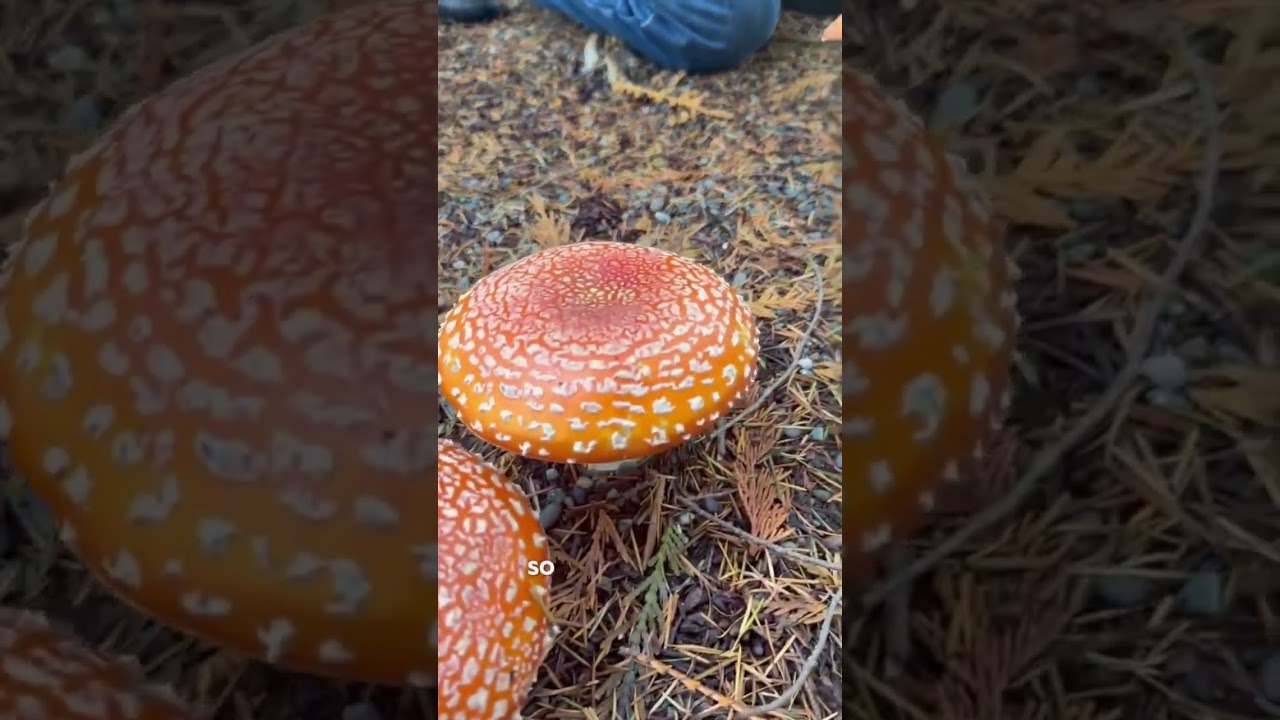
Transcript

[0:00] Hi folks. This is a very interesting

[0:02] mushroom and it has a great name. This

[0:04] is lactius deliciosis group. Now it

[0:07] doesn't look that remarkable if we

[0:09] [clears throat] look at on on the top

[0:12] but it has this greenish color. It's

[0:14] lactious because it will produce a milk.

[0:17] Sometimes takes a few minutes for it to

[0:19] form. But look at over here. So these

[0:22] green tones lactious deliciosis is truly

[0:26] delicious. There's a good example. That

[0:29] green colored it looks psychedelic to me

[0:31] but in fact it's just a delicious

[0:32] edible.

[0:33] >> These microal species when they show up

[0:35] once they show up for many years to come

[0:37] usually unless the habitat is disturbed.

[0:41] Delicious bacterious deliciosis.

Paul Stamets
AuthorPaul Stamets

Watch more from Paul Stamets on YouTube.

View profileWebsite
Explore Topics
Lactarius-deliciosusMushroom-foragingEdible-mushroomsMycologyFungal-identification

Got Questions?

Frequently Asked Questions

The key distinctions are gill color (Lactarius deliciosus has orange gills; Lactarius torminosus has white gills), milk taste (Lactarius deliciosus is mild; Lactarius torminosus is acrid and peppery), and habitat (Lactarius deliciosus grows under conifers; Lactarius torminosus grows under birch). Always verify all three features before consuming.
The orange milk oxidizes when exposed to air, creating a greenish tone over several minutes. This color change is completely normal and is actually a reliable identification marker for the species.
Yes, once this species establishes in a location, it typically fruits reliably year after year from the same spot, as long as the habitat remains undisturbed. This makes productive patches valuable to repeat foragers.
A spit-taste test can be performed by experienced foragers to check for acrid milk, but this carries risk and should only be done after confident visual identification. Absolute certainty through multiple identifying features is the safest approach.
Lactarius deliciosus is mycorrhizal with conifers such as pines, firs, and spruces. Look in coniferous forests with adequate moisture, particularly in autumn when fruiting occurs.
While Lactarius deliciosus is distinctive, it is most commonly confused with the poisonous Lactarius torminosus. Other edible Lactarius species exist but are generally easier to distinguish. Always verify you have the correct species before consuming.

Continue Reading

More on Inspire

View All
Amanita Muscaria: History, Identification & Safety of Fly Agaric
Featured

Amanita Muscaria: History, Identification & Safety of Fly Agaric

Amanita muscaria, the fly agaric, has ancient roots in pest control and cultural mythology. Despite its striking beauty, this mushroom poses…

1 min read
Winter Chanterelle: Late-Season Edible Mushroom Identification
Featured

Winter Chanterelle: Late-Season Edible Mushroom Identification

The winter chanterelle (Craterellus tubaeformis) is a cold-hardy edible mushroom that thrives in late-season forests. Its trumpet shape, rid…

1 min read
Psychedelics in Media & Science: Why the Field Changed
Featured

Psychedelics in Media & Science: Why the Field Changed

A SXSW panel explores how documentaries, books, and research shifted public perception of psychedelics from taboo to therapeutic potential.…

1 min read
Psychedelic States of Consciousness: Natural Dimensions of the Mind
Featured

Psychedelic States of Consciousness: Natural Dimensions of the Mind

Exploring how altered states of consciousness are a natural part of human neurobiology, from sleep and dreams to psychedelic experiences and…

1 min read

Keep exploring

Continue your journey

More wisdom and gatherings from across the BrightStar directory.

More Articles

Browse the full library of teachings, interviews, and guides.

Back to all articles →

Teachers & Artists

Explore the lineages, musicians, and guides of the conscious world.

Explore artists →

Find an Event

Kirtan, retreats, sound baths, breathwork, festivals — happening soon.

Browse events →
Read more from BrightStarCreate Free Account
Host your own gatherings?Try the Demo