EveryEvent LA

Ver todos os Events

The Entertainment Capital of the World

events

Concerts & Live Music
Festivals
Sports & Recreation
Food & Drink
Arts & Culture
Community
Family & Kids
Nightlife
Comedy
Theater
Destinos populares
BaliSedonaLos AngelesCosta RicaNew YorkSan FranciscoAustinMiamiJoshua TreeTulum
Ver todas as categoriasVer todos os destinos

Explorar todos os recursos

Ferramentas poderosas para expandir seus eventos

Recursos da plataforma

Precificação dinâmica inteligente
Categorias de ingressos
Lugares marcados
Recuperação de carrinho abandonado
Recuperação de visitantes
Doações e preço variável
Sistema de afiliados
Scanner de ingressos
Códigos de desconto
Perguntas personalizadas
Compartilhamento de ingressos
Upsells e complementos
Análises e relatórios
Sequências de e-mail
Lista de espera / Notificar / Lembrar
Explorar
Discovery HubArtists & PerformersVenuesKnowledge Base
Ver todos os recursosSobre nós
PreçosBlog
Ver todos os eventos

events

Concerts & Live MusicFestivalsSports & RecreationFood & DrinkArts & CultureCommunityFamily & KidsNightlife

Destinos populares

BaliSedonaLos AngelesCosta RicaNew YorkSan Francisco

Explorar

Discovery HubArtists & PerformersVenuesKnowledge Base

Recursos da plataforma

Precificação dinâmica inteligenteCategorias de ingressosLugares marcadosRecuperação de carrinho abandonadoRecuperação de visitantesDoações e preço variávelSistema de afiliadosScanner de ingressosCódigos de descontoPerguntas personalizadasCompartilhamento de ingressosUpsells e complementosAnálises e relatóriosSequências de e-mailLista de espera / Notificar / Lembrar
Ver todos os recursosSobre nós
PreçosBlog
EntrarCadastrarOrganizadores de eventos
  • Browse All Events
  • Concerts & Live Music
  • Festivals
  • Sports & Recreation
  • Food & Drink
  • Arts & Culture
  • Community
  • Family & Kids
  • Nightlife
  • Todas as categorias →
  • San Diego
  • Palm Springs
  • Santa Barbara
  • Joshua Tree
  • Las Vegas
  • All Destinations →
  • For Promoters
  • For Artists
  • For Venues
  • For Festivals
  • For Event Spaces
  • For Nonprofits
  • For Bloggers
  • For Speakers
  • Brand Ambassador
  • Case Studies
  • Rede de 350K+ compradores
  • Recuperação de carrinho abandonado
  • Precificação dinâmica inteligente
  • Categorias de ingressos
  • Eventos recorrentes
  • Lugares marcados
  • Sistema de afiliados
  • Lista de espera / Notificar
  • Scanner de ingressos
  • Widget incorporável
  • Todos os recursos →
  • Sobre
  • The Ecosystem
  • Blog
  • Glossário
  • Inspiration
  • Central de ajuda
  • Contato
  • Documentação da API
  • Recursos da marca
  • Carreiras
  • Imprensa
  • Termos de Serviço
  • Política de Privacidade

Events

  • Browse All Events
  • Concerts & Live Music
  • Festivals
  • Sports & Recreation
  • Food & Drink
  • Arts & Culture
  • Community
  • Family & Kids
  • Nightlife
  • Todas as categorias →

Getaways

  • San Diego
  • Palm Springs
  • Santa Barbara
  • Joshua Tree
  • Las Vegas
  • All Destinations →

For Organizers

  • For Promoters
  • For Artists
  • For Venues
  • For Festivals
  • For Event Spaces
  • For Nonprofits
  • For Bloggers
  • For Speakers
  • Brand Ambassador
  • Case Studies

Recursos

  • Rede de 350K+ compradores
  • Recuperação de carrinho abandonado
  • Precificação dinâmica inteligente
  • Categorias de ingressos
  • Eventos recorrentes
  • Lugares marcados
  • Sistema de afiliados
  • Lista de espera / Notificar
  • Scanner de ingressos
  • Widget incorporável
  • Todos os recursos →

Empresa

  • Sobre
  • The Ecosystem
  • Blog
  • Glossário
  • Inspiration
  • Central de ajuda
  • Contato
  • Documentação da API
  • Recursos da marca
  • Carreiras
  • Imprensa
  • Termos de Serviço
  • Política de Privacidade
EveryEvent
© 2026 EveryEvent Los Angeles. Todos os direitos reservados.
Inspiration

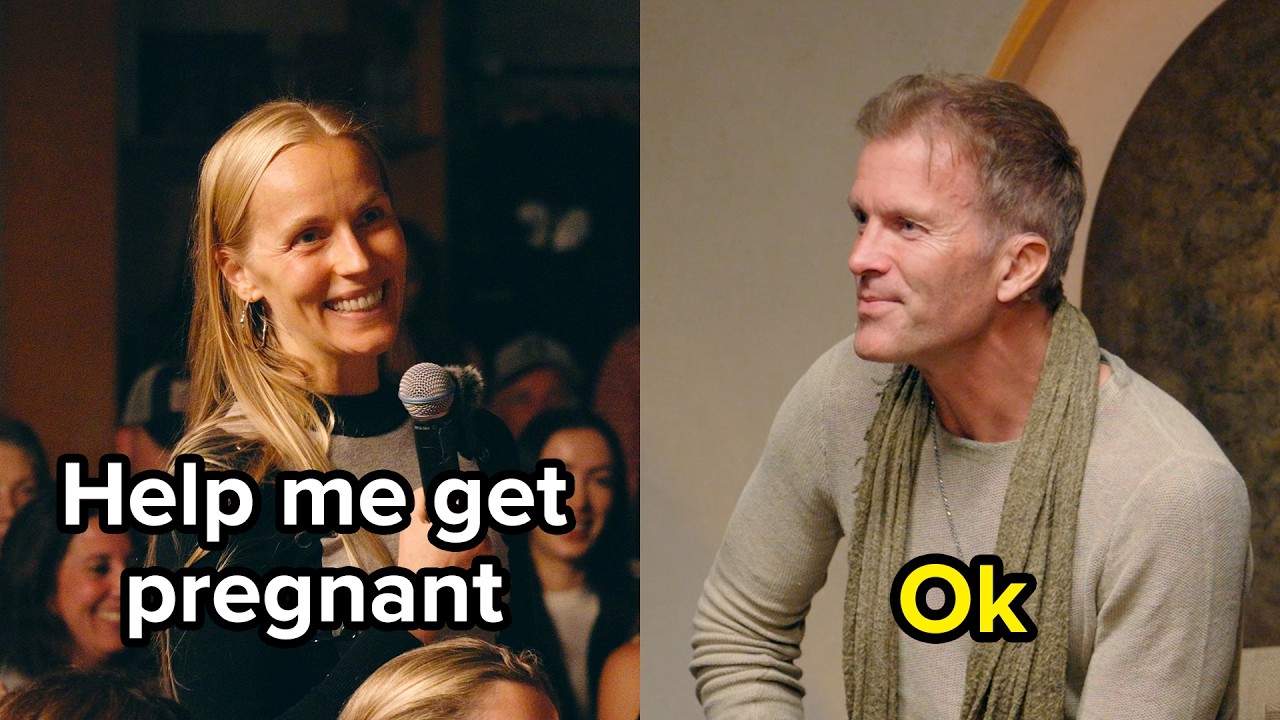
Divine Timing: Why Everything UnfoldsExactly as It Should

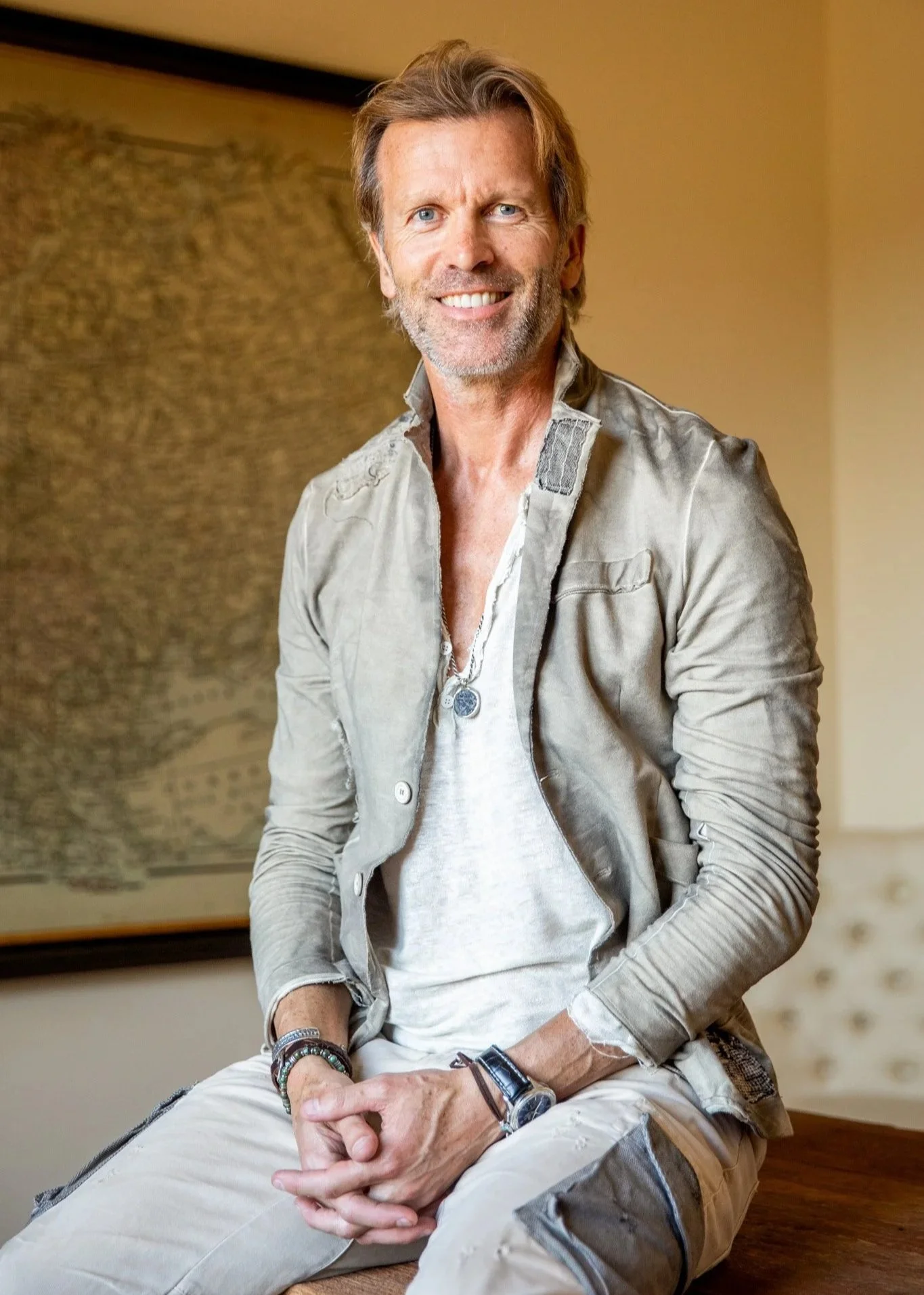
Peter Crone
Peter Crone
Jan 18, 2026
10 min read

TLDR: Peter Crone teaches that every event in your life unfolds according to divine timing—not as punishment or accident, but as precise curriculum for your freedom. The distinction between pain (unavoidable, physical) and suffering (the mental story we attach to circumstances) is foundational. Rather than being a victim of past or future, you can recognize that life presents exactly the people and situations you need to reveal where you're not yet free. This shift from victim consciousness to ownership transforms how you relate to hardship, triggers, and the mirror-like nature of relationships. Trust the timing, stop managing circumstances through fear, and you access the aliveness that's always available in the present moment.

Read · 8 sections

Is Everything Really Happening According to Divine Timing?

Peter Crone opens with a deceptively simple yes: "Everything in your life is literally happening according to plan and it's going to take you to your next level." But what does this mean when life includes heartbreak, job loss, and grief? Crone frames it through an Einstein lens: "You either look at everything as a miracle or nothing as a miracle. It's not a gradient." There is no scenario where some events obey divine timing and others don't. Either the entire fabric of existence is ordered—and that order serves you—or you're adrift in chaos. The logic here isn't metaphysical wishful thinking; it's about what you choose to believe and how that belief reorganizes your inner experience.

The simplicity can feel offensive to the wounded. When someone dies young, or a business fails, or a child suffers, calling it "right timing" sounds cruel. But Crone makes a crucial move: he relocates the problem from reality to perspective. "All problems exist in perspective, not in reality," he states. This doesn't minimize the hardship—"people's realities are easy," he acknowledges, and "that is what you signed up for, being a hero as a human." Rather, it points to where your suffering actually lives: not in the event itself, but in the story you're telling about when it should have happened.

What's the Difference Between Pain and Suffering?

Crone distinguishes these two with surgical precision because most people confuse them. Pain is unavoidable. You twist an ankle, chip a tooth, lose someone you love—these are raw sensations and losses that come with being embodied and connected. Suffering, by contrast, is optional. It's the secondary layer: the judgment, the regret, the protest against reality. "Suffering is what we do in the way that we relate to circumstances," he says. You can experience pain—intense, legitimate pain—without constructing suffering on top of it.

The mechanism is time-based. "All suffering, or the majority of suffering, is based in time," Crone notes. When you're in the present moment, there is no problem. The pain may be there, but the story about whether it should have happened, whether you're ruined, whether the timing was wrong—all of that lives in past regret or future dread. "Where we're at [now]... there's no problem." The moment you leave the now and live in chronological time—reviewing what went wrong or catastrophizing what might happen—you activate the mental prison of suffering. The goal isn't to feel nothing; it's to be here, where life actually is.

How Do People Become the Consistent Theme in Their Own Lives?

Crone opens the talk with a pointed observation: "Wherever you go, there you are. And it's so funny that whatever somebody has as a series of relationship issues, a series of money and business issues... you're the consistent theme. Do you think there might be some sort of correlation?" The audience laughs because the implication is unavoidable. If every relationship collapses, every job ends badly, every friendship feels like betrayal, the through-line is not circumstance—it's you.

This is where divine timing becomes active rather than passive. Life doesn't just happen to you; it happens for you. The people who trigger you, the situations that provoke fear or shame or anger—these are not random. "You're going to be presented with people and circumstances to reveal where I'm not free," Crone says. He uses the metaphor of NPCs (non-player characters) in video games: they exist to trigger you, to show you where you're still operating from constraint, where you're still in a prison.

The profound insight is that this is perfectly orchestrated. Your siblings, your spouse, your children, your boss—even if they grew up in the same household, "they will absolutely attract what they need for their own soul's evolution." But you? You're getting precisely what you need for your freedom, not by accident, but by design. The universe (or God, or life itself) is not punishing you by giving you a difficult parent or a triggering partner. It's delivering the exact curriculum you need to wake up.

Why Does Victim Consciousness Keep You Trapped?

Crone describes a common trajectory: your father was absent, so you feel unworthy in relationships. Your parents divorced, so you fear abandonment. You weren't given affection, so you interpret ambivalence as rejection. These are real wounds. But if you stop there—if you use them as explanation for why your life is as it is—"you're going to go through life constantly as a victim." And the victim role is sticky. At 30, it's your ex-girlfriend's fault. At 40, it's your job. At 50, it's your health or your age. "It always becomes something else. It's just always something else that you're at the effect of."

The cost of this stance is immense: "That's exhausting." You're constantly managing, controlling, mitigating—trying to prevent the bad thing from happening again, trying to prove you're worthy, trying to make sure you're safe. But you can never be safe if safety depends on controlling the future. The only way out is to stop being at the effect and start being at cause. Not cause in the sense that you caused the original wound, but cause in the sense that you're now responsible for how you interpret and respond to it.

Crone frames this as choosing freedom: "My mission, if I choose to accept, is to break out of [my constraints]." The constraints are real. The unfair start is real. But the decision to use that unfairness as permanent identity is a choice. And the moment you recognize it as a choice, you can make a different one.

What Is the Mental Prison of "I Am Not Okay"?

Crone identifies one of ten mental prisons that humans inhabit: the belief that "I am not okay." But he makes a subtle distinction. There are two versions. One is present-state ("I am not okay right now"), which can be true and contextual. The other is future-projected ("I am not going to be okay"), which is where most people actually live. This future orientation is the prison.

He explains: "The default setting, the factory settings of the human brain is I'm not going to be okay. Worst case scenario." This isn't a personal defect—it's built into human neurology. The brain evolved to scan for threat, to assume the worst, to prepare for the disaster. "If you're here as a human, which I'm assuming if you're listening to this, you are... you have the filter, the prison: you're not going to be okay."

But here's what happens as you accumulate years: you get evidence that contradicts the prison. You've survived heartbreak, you've lost jobs, you've experienced grief—and you're still here. "The older you've gotten, the more evidence you have that you keep surviving. Maybe that's softened a little bit." Younger people, by contrast, may still be dormant in this fear because they haven't yet faced real trials. The prison hasn't been fully activated by experience.

Recognizing this—that "I'm not going to be okay" is a filter, not a fact—is the first step. You don't have to fight it or shame yourself for having it. You just have to see it clearly. And once you see it, it begins to lose its grip on your choices.

How Can You Process Fear About the Future?

When anxiety arises—that moment when you feel the ground shifting—Crone offers a two-part approach: awareness and a deliberate reorientation. First comes awareness, but not of the circumstance. Most people try to manage and control circumstances: If I just make enough money, manage my health carefully, say the right things—then I'll be safe. This is futile because you cannot control the future. Instead, "awareness of the way that you're reacting to circumstances." What story are you telling? What fear is running? Am I in "I'm not okay" (present) or "I'm not going to be okay" (future dread)?

Then comes deliberate perspective-shift. One powerful reframe: "Maybe you even go to the fact that you've already survived your entire life up to this point." You have a 100% survival rate so far. You've made it through every hard thing you thought would destroy you. You're here. This isn't blind optimism; it's an honest accounting of evidence. From that place, you might land in something like: "Whatever I want to do, I can handle the consequences."

The shift from victim ("This is happening to me") to owner ("I can handle this") is not about denying pain or pretending things are easy. It's about recognizing that you are more capable, more resilient, and more free than the default fear-setting allows. "The bigger leap," Crone emphasizes, "is that awareness that you are just having an experience"—not that the experience defines you, not that it proves you're broken, just that it's something moving through you.

What Does It Mean to Stop Resisting Your Humanity?

Throughout the talk, Crone resists the spiritual bypass of trying to transcend the human experience. He doesn't teach that you should detach from emotion, escape desire, or suppress your humanness. Instead, the freedom he describes includes feeling it all: "The goal isn't to escape being human but to feel it all—joy, grief, and everything in between."

This is radical in a culture obsessed with positivity, optimization, and the erasure of difficulty. Crone is saying: yes, grieve your losses. Yes, feel the anger when you're triggered. Yes, acknowledge the fear. But do it without the added story that something has gone wrong, that the timing is off, that you're not okay. Feel the full spectrum of human experience while remaining grounded in the truth that you're okay, you're surviving, you're exactly where you need to be.

The lightness and aliveness that people seek isn't found by eliminating the shadow—it's found by no longer resisting it. "By trusting the dance of life, we trade rigidity for flow and reclaim the aliveness that's been there all along."

Where to go from here

If this framework resonates, the first move is simple: begin noticing where you're living in victim consciousness. Notice the stories you're telling about why your life is as it is—stories anchored in past harm or future fear. You don't need to fix them immediately. Just become aware. See where you're assuming "I'm not going to be okay" and trace whether that assumption is actually true or just the default filter.

Second, practice the distinction between pain and suffering. When something hard happens, feel the pain fully—but notice if you're adding a story on top. "This shouldn't have happened." "I can't survive this." "This proves I'm broken." These are suffering. The raw experience, without the story, is just pain—which is workable.

Third, look for the curriculum. What is this situation, this person, this trigger showing you about where you're not yet free? What belief about yourself or the world are they inviting you to examine? Life is not random; it's a precise mirror. Use it.
Transcript

[0:00] It's like, you know, wherever you go,

[0:01] there you are. And it's so funny that

[0:03] whatever somebody has as a [snorts]

[0:05] series of relationship issues,

[0:08] a series of money and business issues,

[0:10] like, oh, wow, you're the consistent

[0:12] theme. Do you think there might be some

[0:14] sort of correlation?

[0:15] >> Right. [laughter] Right. Right.

[0:17] >> Um, so we are today on East Coast time.

[0:21] I think home for you when you're not

[0:23] traveling the globe is mountain time.

[0:25] >> Yeah. But there's another sphere of time

[0:28] that I've heard you refer to as DST,

[0:30] divine standard timing.

[0:33] >> I love this.

[0:34] >> Yeah.

[0:34] >> So, do you think that everything in life

[0:36] happens according to divine timing? And

[0:40] if everything happens according to

[0:41] divine timing, does that mean that it's

[0:45] unfolding exactly as it should be and

[0:46] it's happening for our highest good?

[0:49] >> Yes. Next question. [laughter]

[0:52] Final answer.

[0:52] >> Final answer. Next.

[0:54] >> Yeah. Well, it's like Einstein said, you

[0:56] either look at everything as a miracle

[0:57] or nothing as a miracle, right? So, it's

[0:58] an either or. It's not a gradient, you

[1:01] know? It's not like, oh, well, that

[1:02] person died at the wrong time, but that

[1:04] person died at the right time. Like, it

[1:05] just doesn't even make sense when you

[1:07] break it down,

[1:08] >> you know? I I I really love this. Like,

[1:10] when you said this, it was such a simple

[1:12] thing, but like if people don't get a

[1:14] lot of things, like people can get

[1:16] timing and like time zones, and it was

[1:18] such a cool way to like present that.

[1:20] Yeah,

[1:21] >> it's like just to take it away from that

[1:23] like every single thing that's unfolding

[1:24] for you is literally happening according

[1:26] to plan

[1:27] >> and it's going to take you to your next

[1:29] level. Just trust that and then just

[1:31] ride the wave with that, you know, a

[1:34] very simplistic way of

[1:37] >> shooting it down.

[1:38] >> It it just it helps to again like so all

[1:41] suffering to me or the majority of

[1:43] suffering is based in time, right? So

[1:45] there's never a problem here. There's

[1:47] always the problem in terms of what

[1:49] we're regretting or frustrated or

[1:51] disappointed or angry about past or

[1:53] worried about anxious about fearful

[1:55] about future right that's usually we're

[1:58] in some sort of chronological emotional

[2:01] mental time but where we're at I mean

[2:03] echoi wrote a whole book and as as far

[2:06] as I know 20 plus years been talking

[2:07] about the now that's all he talks about

[2:09] [laughter] right but it does well and it

[2:11] touches the lives of millions of people

[2:12] because if you're just in the now

[2:14] there's no problem right so All problems

[2:16] exist, I tell people, in perspective,

[2:18] not in reality. That's not to say that

[2:20] people's realities are easy, and I'm not

[2:22] saying that there aren't hardships that

[2:24] people go through. That is what you

[2:26] signed up for, being a hero as a human.

[2:28] >> Um, but suffering is what we do in the

[2:32] way that we relate to circumstances,

[2:34] right? That's where the distinction

[2:36] between pain, unavoidable, sentient

[2:38] being, you're going to, you know, twist

[2:40] your knee and your ankle, you're going

[2:42] to chip your tooth, like that's just

[2:44] going to happen. But suffering, there's

[2:46] at least the option to not suffer once

[2:49] you can realize these distinctions that

[2:52] life is where it is. I'm here with a set

[2:55] of constraints that I arrive with and my

[2:57] mission if I choose to accept is to

[2:58] break out of them and I'm going to be

[3:00] presented with people and circumstances

[3:02] to reveal where I'm not free. Aka people

[3:04] are going to piss the out of me.

[3:06] No, they're not. They're going to be the

[3:07] gifts. You know, these like what do they

[3:09] call them? NPCs or non-player characters

[3:12] and videos, games that like trigger you.

[3:15] And isn't it amazing that wherever you

[3:17] live, wherever you're born, whoever you

[3:18] marry, whether you have kids or not,

[3:20] whatever job you have, you're going to

[3:21] get precisely the the circumstances you

[3:26] need for your own set of constraints

[3:28] >> to free you.

[3:29] >> Isn't that incredible?

[3:30] >> It is incredible.

[3:31] >> Like it doesn't matter. Like that's what

[3:32] I'm saying. your three quid, your three

[3:34] kids, same roof, maybe even same school,

[3:37] same group of friends, same parents,

[3:39] they will absolutely attract what they

[3:42] need for their own soul's evolution.

[3:45] >> Yeah, it's wild.

[3:46] >> Yeah,

[3:47] >> it's just so beautiful though if you

[3:49] really see it.

[3:49] >> And it's just getting out of your own

[3:51] way, I guess, with whatever you're

[3:52] imposing onto the situations.

[3:54] >> Yeah.

[3:55] >> To be on the receiving end of what you

[3:56] need.

[3:57] >> Cuz otherwise, if you don't look at it

[3:59] that way, then you're always a victim.

[4:01] >> Yeah. you know, it is cuz your dad was a

[4:04] jerk or it is cuz your parents got

[4:05] divorced or your mom never showed

[4:07] affection. Well, then you're going to go

[4:09] through life constantly as a victim and

[4:11] it's like, okay, now you're 30 and it's,

[4:13] you know, it's your your ex-girlfriend

[4:15] or now you're 40 and it's like you're

[4:17] whatever. It always becomes something

[4:19] else.

[4:19] >> It's just always something else that

[4:20] you're at the effect of. Right. Right.

[4:23] Yeah.

[4:23] >> It's just But that's exhausting.

[4:25] >> Yeah, that is exhausting.

[4:26] >> Yeah. part of your teachings is for

[4:28] people to understand 10 mental prisons

[4:31] that we all live in. I'm still learning

[4:32] about these prisons as we as we walk

[4:35] through the the mastermind. Yeah.

[4:37] >> But one of those prisons that I am

[4:38] familiar with um that I wanted to talk a

[4:40] little bit about is the notion of I am

[4:42] not okay.

[4:43] >> Okay.

[4:43] >> And I can remember a conversation I had

[4:45] had a few years ago with a friend. I

[4:46] don't remember what we were talking

[4:47] about, but I remember at the end of the

[4:49] conversation saying to her, I just want

[4:50] to know that everything's going to be

[4:51] okay.

[4:52] >> Yeah. And you know, looking back, I feel

[4:54] like that was for sure little Lauren

[4:56] that was kind of projecting forward

[4:57] being like, I just want to make sure

[4:58] everything's going to be okay and I'm

[5:00] going to be safe. [clears throat]

[5:01] >> Yeah.

[5:02] >> What are ways that people can process

[5:04] that notion on their own? And we've

[5:05] certainly touched upon it, you know, a

[5:07] little bit with with what we've been

[5:08] talking about, but like

[5:10] >> when something presents itself that

[5:11] starts to get you riled up, how can you

[5:14] process that of like, hang on one

[5:15] second,

[5:16] >> I really am okay and everything is going

[5:18] to be okay. Is there a way that we can

[5:20] kind of walk ourselves off the ledge to

[5:22] kind of start this rewiring process?

[5:26] >> Uh yes. Uh again, it's through the two

[5:28] main buckets that I've talked about in

[5:30] the mastermind. You got to start with

[5:31] awareness, right? Awareness not of the

[5:33] circumstances which most people are

[5:35] always trying to manage, control,

[5:36] mitigate or whatever, but rather the way

[5:39] that you're reacting to circumstances,

[5:42] right? awareness of for you I would even

[5:45] say right okay I'm not okay is a present

[5:48] state statement

[5:50] >> I think for you based on what you were

[5:51] explaining it's more that I'm not going

[5:53] to be okay

[5:54] >> subtle right so I'm not okay is present

[5:56] state but I'm not going to be okay is

[5:58] the fear

[5:59] >> correct

[5:59] >> so and that's that's the main prison

[6:02] that I talk about in terms of how humans

[6:04] relate to future conversations right

[6:06] we're never in our future we're always

[6:08] just talking about it thinking about it

[6:10] but the lens that we look through as it

[6:13] relates to futures. The default setting,

[6:16] the factory settings of the human brain

[6:18] is I'm not going to be okay. Worst case

[6:19] scenario, right? So, first of all is to

[6:23] recognize that if you're here as a

[6:24] human, which I'm assuming if you're

[6:26] listening to this, you are. So, hello.

[6:28] Welcome.

[6:29] >> Hello. Welcome. Welcome to planet Earth.

[6:31] >> You don't have to worry about it. You

[6:32] have the filter, the prison, you're not

[6:34] going to be okay. Now, the older you've

[6:36] gotten, the more evidence you have that

[6:38] you keep surviving. Maybe that's

[6:40] softened a little bit. If you're younger

[6:42] and you're, you know, don't have any

[6:44] real trials and tribulations yet, you

[6:46] know, because you haven't had the first

[6:48] heartbreak or the first firing or the

[6:50] first death,

[6:51] >> you might be like, I don't know, I'm

[6:52] going to be fine. You know, it hasn't

[6:54] sort of been turned on yet. It's still

[6:55] maybe dormant in their operating system.

[6:58] >> But just consider that that's just part

[7:00] of being human. Like,

[7:01] >> so the way to actually get beyond that

[7:04] is to recognize it's part of what it is

[7:07] to be human. No one's walking around

[7:09] going, "Oh like how do I figure

[7:11] out the fact that I've only got two

[7:12] arms?" You know, it's like

[7:14] >> no one's worried about that, right? It's

[7:16] just inbuilt. So, if you realize that

[7:18] this operating system that we're born

[7:20] into, albeit blind, and people are

[7:22] oblivious to it, and so that's why

[7:24] people just rush around trying to, you

[7:26] know, save themselves, control

[7:28] everything, and make sure they're going

[7:29] to be okay.

[7:30] >> But that's what then becomes

[7:31] self-fulfilling, right? Because then

[7:33] people get sick and they're exha they're

[7:34] exhausted and their adrenals are shot

[7:36] because they're trying to control the

[7:37] universe.

[7:38] >> Yeah.

[7:38] >> Which as a nanobacteria trying

[7:41] >> you start to realize how how futile that

[7:43] is.

[7:44] >> So yes. So it is by recognizing through

[7:46] awareness that oh I'm human therefore

[7:50] I'm designed to make it. I'm designed to

[7:54] survive. And then pick your poison of

[7:56] whatever is you're trying to survive.

[7:58] Right? It could be the fact that your

[8:00] parents want you to be a teacher or they

[8:02] want you to be a doctor or they want you

[8:03] to be a lawyer and you're like, "No, I'm

[8:05] just an artist, but now you're trying to

[8:06] survive that." So maybe you even go to

[8:08] law school to appease them, but you're

[8:10] unhappy. And you know, we go through

[8:12] those processes until we realize, "No,

[8:14] I'm a sovereign being. I get to do

[8:15] whatever I want to do." And people can

[8:18] have whatever opinion they have of that.

[8:20] And the whole I'm worried what people

[8:22] think about me is another misnomer,

[8:24] right? No, you're not worried what other

[8:25] people think about you. you're worried

[8:27] what you think other people think about

[8:28] you, which is still you worrying about

[8:30] you.

[8:30] >> Right.

[8:31] >> Right. So that whole gamut there that I

[8:33] just described is the operating system

[8:35] that you're stepping out of. So there's

[8:38] no answer within the system. You just

[8:40] have to see the system for what it is

[8:42] and then hopefully learn to get out of

[8:44] it.

[8:44] >> And when you said that, something came

[8:45] to mind is when you were [clears throat]

[8:47] speaking about the awareness is have

[8:49] awareness that you are just having an

[8:50] experience that it's just something that

[8:52] you're just experiencing. It doesn't

[8:54] make it good or bad. It's just something

[8:55] that you're experiencing

[8:57] >> for sure

[8:57] >> and you are okay and whatever you're

[8:59] experiencing you will work through and

[9:01] you will come out on the other end of it

[9:03] >> and you might not.

[9:05] >> So that's the bigger leap right is that

[9:08] I always joke I say you're going to

[9:10] survive until you don't.

[9:11] >> Mhm.

[9:12] >> So the worrying about survival becomes

[9:14] futile.

[9:15] >> And then when's the don't when you just

[9:16] have like

[9:17] >> I don't freaking know whenever time's

[9:18] up. I mean I might keel over right now

[9:20] in the middle of the podcast. I mean,

[9:21] it's not great timing, but I'm okay with

[9:24] it. Right. Right.

[9:25] >> You know, so it's just

[9:27] >> it's the full integration of all of it

[9:29] is freedom.

[9:30] >> Yeah.

[9:31] >> You know, like, you know, I work with a

[9:33] lot of athletes and I use the quote by

[9:35] Jack Nicholas a lot because it's so

[9:37] profound. He's the most winning

[9:39] professional golfer of all time, even

[9:40] more than Tiger. And he said that one of

[9:43] the most important parts of winning is

[9:45] being okay losing. This one.

Peter Crone
AuthorPeter Crone

Watch more from Peter Crone on YouTube.

View profileWebsite
Explore Topics
Divine-timingVictim-consciousnessSuffering-painMental-prisonsFear-future

Got Questions?

Frequently Asked Questions

Divine timing means every circumstance—every person, every hardship, every joy—arrives precisely when you need it for your soul's evolution. It's not random chance; it's an ordered curriculum. As Crone frames it, "You either look at everything as a miracle or nothing as a miracle." This is a choice in perspective, not a claim about invisible forces controlling events.
Recognize that your past explains where you are, but it doesn't have to define where you go. Every time you use your history as proof that you're broken or unsafe, you're reinforcing victim consciousness. The shift comes when you accept the wound as real and then ask: "What am I here to learn from this?" rather than "Why is this happening to me?"
Because you are the consistent theme. Life keeps mirroring the same unresolved patterns until you see them and choose differently. The people who trigger you most are often the ones showing you exactly where you're not yet free. This isn't punishment—it's precision.
Pain is physical and emotional sensation that's unavoidable when you're human—grief, loss, physical injury. Suffering is the story you add to it: "This shouldn't have happened," "I can't handle this," "I'm broken." When you stop narrating about the experience and just feel it, you're in pain. When you're thinking about it, judging it, and projecting into the future, you're in suffering.
Your brain evolved to scan for threat and assume worst-case scenarios. The factory setting is "Something bad will happen." This isn't your fault; it's neurology. But as you age and survive hardships, you accumulate evidence that contradicts this fear. You can use that evidence to soften the grip of this mental prison.
You can't control whether things work out, but you can trust that you'll survive whatever happens. Your entire life is evidence of this—you've made it through everything so far. Letting go of control doesn't mean passivity; it means redirecting energy from futile worry about the future to the choices you can actually make now.

Continue Reading

More on Inspiration

View All
Identity Wounds & Self-Imposed Healing: Why Fixing Yourself Deepens Suffering
Featured

Identity Wounds & Self-Imposed Healing: Why Fixing Yourself Deepens Suffering

Explore why every addiction masks an identity wound, and how the pursuit of healing perpetuates the belief that something is broken in you.…

1 min read
Infertility, Trauma, and the Body's Safety Response
Featured

Infertility, Trauma, and the Body's Safety Response

Peter Crone explores how childhood trauma, eating disorders, and fear-based beliefs create a contracted nervous system that blocks fertility…

1 min read
Releasing Trapped Emotion After Trauma and Surgery
Featured

Releasing Trapped Emotion After Trauma and Surgery

How unprocessed emotions from childhood abandonment resurface during physical and psychological crises, and why safe spaces allow deep emoti…

1 min read
What You're Seeking Is Already Within You
Featured

What You're Seeking Is Already Within You

The objects we pursue are not what we actually want—we chase them for the experiences they promise. But those experiences already exist with…

1 min read

Keep exploring

Continue your journey

More wisdom and gatherings from across the BrightStar directory.

More Articles

Browse the full library of teachings, interviews, and guides.

Back to all articles →

Teachers & Artists

Explore the lineages, musicians, and guides of the conscious world.

Explore artists →

Find an Event

Kirtan, retreats, sound baths, breathwork, festivals — happening soon.

Browse events →
Read more from BrightStarCreate Free Account
Host your own gatherings?Try the Demo