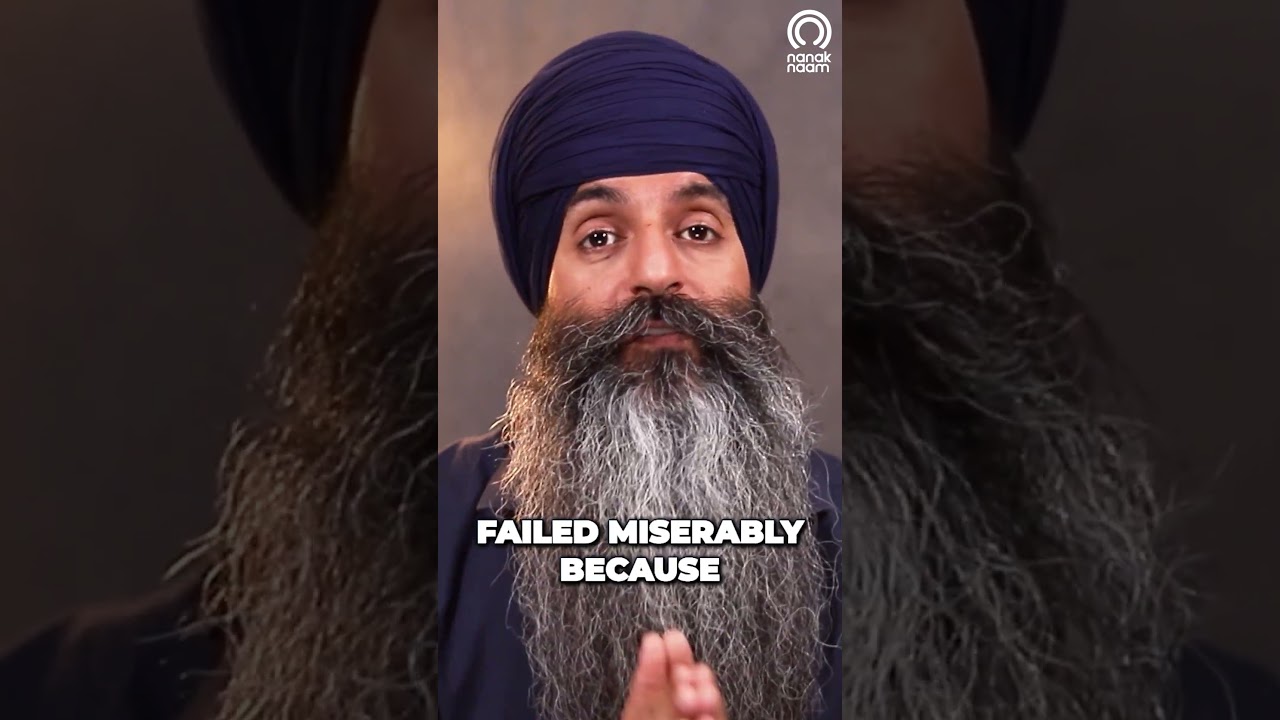
Valarie Kaur's vigil address for Renee Good, a poet and mother shot by ICE agents in Minneapolis, centers on a devastating truth: the agent's response of "I don't care" when asked to help a dying woman encapsulates a system designed to render Black, brown, and Indigenous people disposable. Kaur names 32 people who died in ICE custody, contextualizes Renee's death within a continuum of state violence, and calls the gathered community to alchemize grief into action through the practice of care—refusing the regime's indifference by choosing to love, remember, and protect one another.
Who Was Renee Good and Why Does Her Death Matter?
On a winter morning at 28 degrees in Minneapolis, Renee Good—a 37-year-old mother of three, prize-winning poet, and good neighbor—encountered a moment that would end her life. After dropping her six-year-old at school, Renee and her wife, Becca, witnessed masked ICE agents conducting an operation in their streets. According to Kaur's account, when an agent approached their car, Renee remained calm and non-confrontational, telling the officer through her window, "It's okay, dude. I'm not mad at you." She was smiling. As she pulled the car away, the officer pointed his gun at her head and fired three times point blank.
What follows matters immensely. The official narrative claims Renee weaponized her vehicle as an act of terrorism. But video evidence tells another story: her wheels turned away from the agents, not toward them. The agent stepped to the side—meaning he was not struck. Her glove compartment contained not weapons or ideological materials, but stuffed animals for her daughter. A neighbor who happened to be a doctor asked to help, to check her pulse, hoping she might survive. The ICE agent's response was three words: "I don't care."
Kaur repeats this phrase with devastating precision: I don't care. Fifteen minutes passed. I don't care. Emergency vehicles were blocked from entering. I don't care. Becca screamed in the car, "You killed my wife." And still: I don't care. Renee Good bled out in broad daylight, less than a mile from where George Floyd was choked to death in the street.
How Does Renee's Death Connect to Systemic Violence?
Kaur frames Renee's death not as an isolated incident but as part of a continuum of violence that Black, brown, and Indigenous peoples have endured on this land for centuries. The killing represents an extension of a logic—a regime logic—that declares certain people disposable.
This logic operates through a simple formula: You are disposable. Your life doesn't matter. We can disappear you, incarcerate you, deport you, torture you, or kill you in the street and say it is your fault. The regime's strategy is to shift blame onto the victim. They say it was her fault. They say they will make the nation believe it was her fault. They assume people will not care, the way ICE agents do not care.
In the moment of the vigil, Kaur notes that thousands of armed and masked agents—deployed across the country with a budget exceeding the militaries of most nations—are conducting raids in cities from Los Angeles to Minneapolis. These operations rip families apart, cage neighbors, storm schools and hospitals, and disappear people under the explicit logic of I don't care.
What Are the Names and Stories of Those Killed by ICE?
Rather than allowing Renee's death to stand alone, Kaur uses the vigil as a moment to name and honor others lost to ICE operations and custody:
- Keith Porter, a father and fisherman who worked dozens of jobs to support his two daughters, was killed by an off-duty ICE agent on New Year's Eve in Northridge.
- Jose Castro Ria, a gardener who sent money to his family in Honduras, was struck and killed by a vehicle when ICE chased him in Virginia.
- Sylveario Viegas Gonzalez, a father from Mexico who had just dropped his children at school and daycare, was shot and killed by an ICE agent at a traffic stop in Chicago.
- Jamie Alanes Garcia, a father who fell from a roof during an ICE raid and died from his injuries in Calabasas, California.
- Imam Huad Sahed Abdul Kadir, who died in custody in Clearfield County.
- Marie Angie Blaze in Pompano Beach, Florida.
- Non Nuin in El Paso, New Mexico.
Kaur emphasizes that 32 people died in ICE custody in the year prior to the vigil, and four had already died in the current year. Many more stories remain unknown because videos were not recorded or the people are not here to tell them. The practice of naming becomes an act of refusal—a refusal to let the system's indifference erase these lives.
What Is the Spiritual Foundation of Renee's Life and Legacy?
After Renee's death, her wife shared that Renee was a Christian who believed that all religions teach the same essential truth: We are here to love each other, care for each other, and keep each other safe and whole. This becomes the moral anchoring point for the vigil and for Kaur's call to action. Renee was not a martyr seeking confrontation—she was a poet and mother grounded in a theology of care.
This matters because it directly contradicts the regime's narrative of her as a terrorist or threat. Renee's last recorded action was an act of de-escalation and compassion: "It's okay, dude. I'm not mad at you." Even in her final moments, she was practicing what her faith taught—the integration of love, safety, and wholeness.
How Does Care Become an Act of Resistance?
Kaur's central claim is that care—genuine, embodied, collective care—is not sentimental. It is political power. In a moment when the regime's logic is I don't care, the vigil becomes a declaration: We care. We care. We care. This repetition is not rhetorical flourish; it is a counter-spell against the state's indifference.
Kaur calls the gathering to alchemize grief and rage into action. This alchemization has four dimensions:
First, remember how Renee lived, not just how she died. The focus shifts from the moment of violence to the full arc of her life—her work as a poet, her devotion as a mother, her presence as a good neighbor. The regime wants the death to define her; the movement wants her life to define her.
Second, choose to meet cruelty with humanity. Kaur invokes a refrain: We will be good. This is not naive goodness or submission. It is a deliberate choice to refuse the regime's logic of dehumanization. When the system says "I don't care," the movement says "We will be good"—meaning we will extend care, protection, and witness to one another.
Third, expand the circle of care to exclude no one. Kaur states: "We will leave no one outside of our circle of care." This is both a spiritual and political stance. It means that in a moment of mass deportations and disappearances, the movement will not narrow its compassion. It will not choose some lives as worthy of protection and others as disposable.
Fourth, sustain care through collective action and witness. Kaur recognizes that people will tire. When that happens, "we will reach for one another in the dark. We will say the names of the ones we love. We will find courage we did not know we had." Care is not an individual virtue; it is a collective practice that requires mutual sustenance and witness.
What Does "We Will Be Good" Mean in This Context?
The refrain "We will be good" appears throughout the latter half of the vigil address, and it carries weight beyond conventional morality. In the context of state violence and systemic indifference, goodness becomes a form of defiance. It means:
- Refusing to accept the regime's definition of who is worth saving.
- Choosing vulnerability and care in a moment designed to produce fear and isolation.
- Building relationships and accountability within a movement, not just against an enemy.
- Acting "braver with our love" than with weapons or ideology—letting love be the organizing principle.
- Sustaining care for "all the ones whose stories we do not know," not just the visible victims.
Kaur emphasizes that this goodness is not a feeling or a proclamation—it is a discipline and a commitment. "As long as there are people who breathe, who need us to protect them, to fight for them, to care about them, we will be good." The movement's work is not temporal or conditional. It is a long commitment to a different logic than the one that says "I don't care."
How Does This Vigil Challenge the Narrative of Blame?
One of the most powerful aspects of Kaur's address is her direct engagement with the regime's narrative strategy. "They say it was her fault. They think we will believe that. They think we will not care like they do not care." This passage names the mechanism by which state violence gets normalized: victim-blaming. If Renee caused her own death, then the system is not responsible. If people don't care about her, then the system's indifference is justified.
By gathering as a vigil and saying "We care," the movement rejects both assumptions. The video evidence matters, but so does the collective witness. Kaur is saying: we will not allow your narrative to stand unchallenged. We will tell the truth. We will remember. We will care in a way that makes the regime's indifference visible and untenable.
Where to Go From Here
For those moved by this address, several pathways emerge. First, learn and practice the discipline of care—not as abstract goodwill, but as specific actions: learning names, attending vigils, supporting families affected by ICE operations, providing material aid, and building mutual protection networks. Second, challenge the narratives of disposability wherever they appear—in media, in policy, in everyday conversation. Ask: who is being framed as a threat, and what does that framing accomplish? Third, recognize that collective care in the face of state indifference is itself a form of resistance. It contests the regime's claim that certain people don't matter. Finally, prepare to sustain this work over time. Kaur acknowledges that people will tire, which is why she emphasizes reaching for one another in the dark and saying the names of the ones we love. The movement for justice is not built on individual heroism; it is built on the courage to care together, again and again.